
 Call us
Gas Spring Technical Information
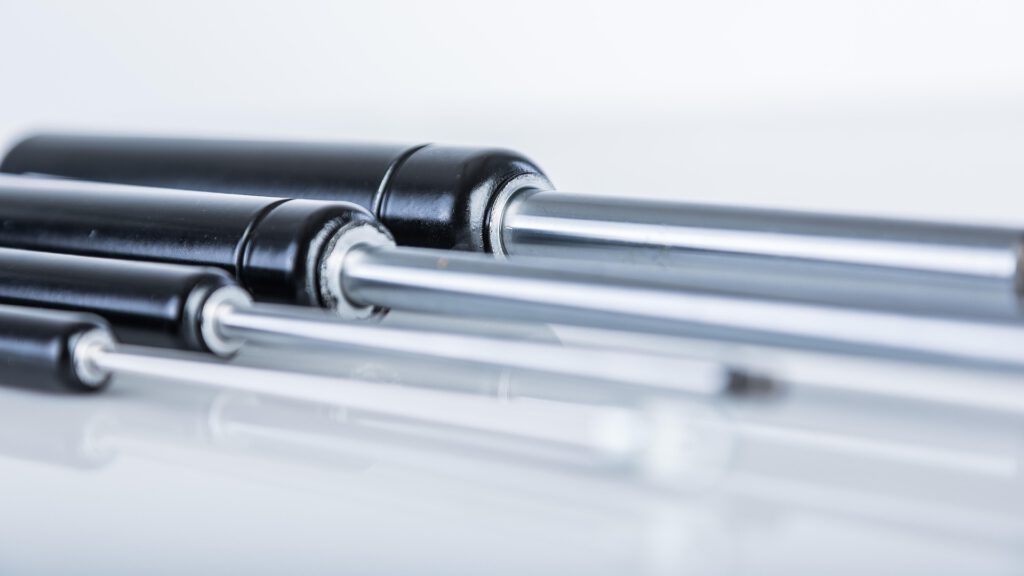
LS Technologies gas springs provide a number of benefits in automotive, marine, industrial and domestic springing applications, especially wherever controlled damping is required. Whether displaced in tension or compression, gas springs provide a nearly constant force through their entire stroke as compared to coil or leaf metallic or composite springs. They can also be constructed with special features such as variable damping and blocking. When applied properly, gas springs are reliable and long-lasting alternatives to coil and leaf springs in linear situations.
How Gas Springs Work
Gas springs operate using a sealed cylinder filled with high-pressure nitrogen gas. Force is generated as this gas acts on the piston rod, pushing it outward.
Each gas spring consists of:
- A sealed metal cylinder with a polished interior
- A micro-finished piston rod
- A piston with a precision orifice
- A nitrogen charge
- A small amount of oil for damping
The output force depends on the gas pressure and the diameter of the piston rod. For example, a 10 mm rod generating 100 lbs of force would require around 1400 psi internally.
Controlled Motion
Oil and gas pass through the piston’s orifice during movement, allowing the spring to compress and extend smoothly, without sudden or uncontrolled movement.
Length & Compression
Gas springs are longer than traditional coil springs due to their cylinder and rod design, but they compress efficiently.
Extended Length: Measured from center-to-center of each connector when fully open.
Compressed Length: Typically around 60% of the extended length.
This makes them ideal where space is limited, but strong, smooth motion is required.smoothly, without sudden or uncontrolled movement.

Common Applications
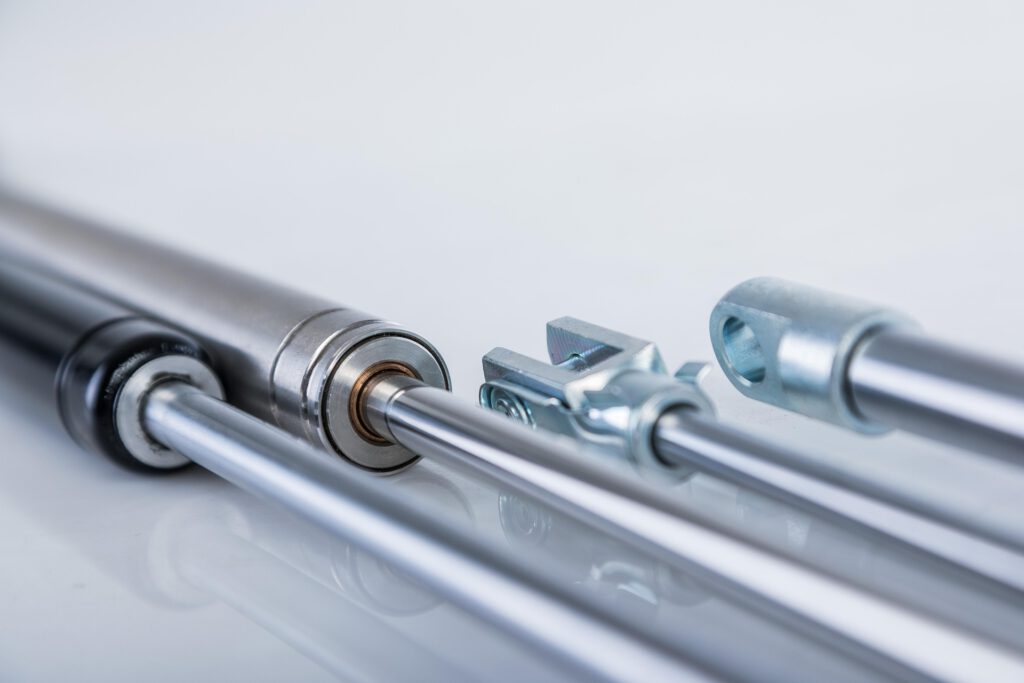
Our gas springs are found in a wide variety of products and industries:
- Industrial Equipment – Machine panels, access doors, fixtures
- Automotive – Hoods, trunks, tailgates, tonneau covers
- Marine – Hatches, engine covers
- Office Furniture – Height-adjustable chairs
- Medical & Home – Recliners, adjustable beds
- Industrial – Tractors, Trailers & Machinery
Application Design Considerations
To ensure optimal performance and longevity of your gas springs, follow these guidelines:
- Determine the stroke length and required force
- Keep the gas spring aligned with its center axis to prevent buckling
- Avoid impacts, dents, or contamination on the piston rod or cylinder
- Explore options like variable damping or external locking for more control
Safety & Maintenance Tips
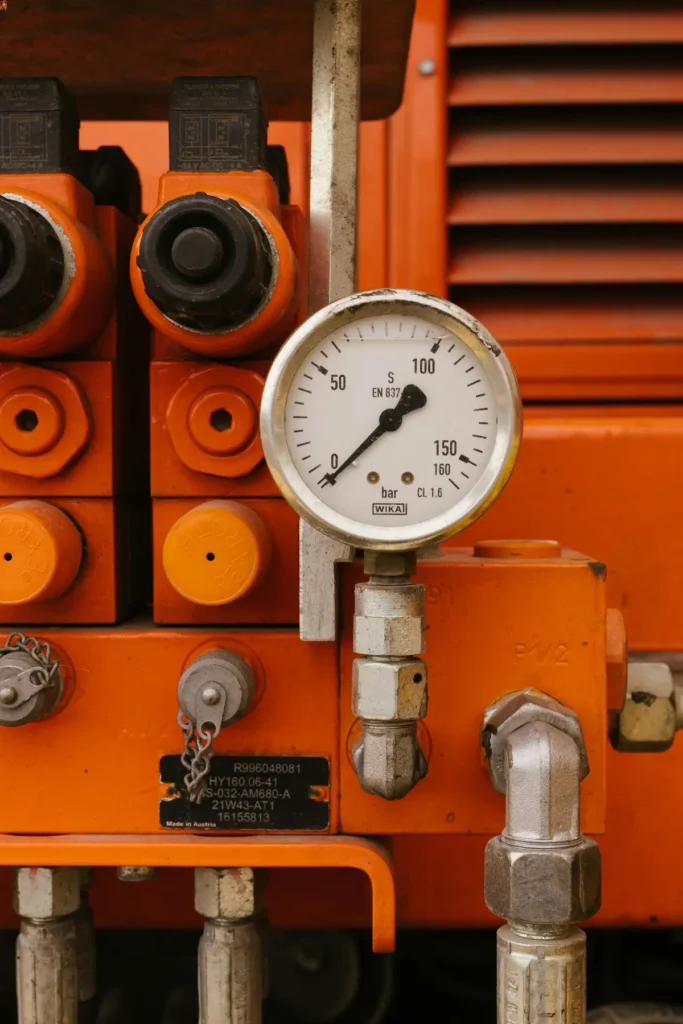
Gas springs operate under extremely high pressure. For safe use:
- Do not cut, open, or bend a gas spring
- Keep the piston rod clean and unpainted
- Avoid sanding or filing the rod surface
- Maintain operating temperatures between -35°C to +80°C