 Call us
About Gas Springs
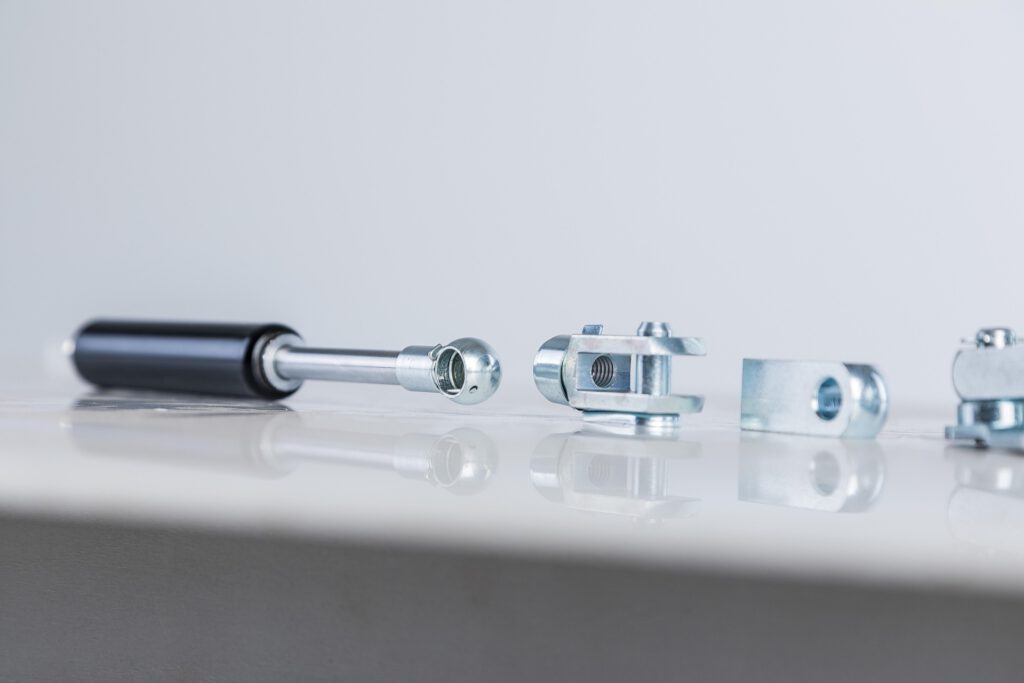
LS Technologies gas springs provide a number of benefits in automotive, marine, industrial and domestic springing applications, especially wherever controlled damping is required. Whether displaced in tension or compression, gas springs provide a nearly constant force through their entire stroke as compared to coil or leaf metallic or composite springs. They can also be constructed with special features such as variable damping and blocking. When applied properly, gas springs are reliable and long-lasting alternatives to coil and leaf springs in linear situations.
Common Applications of Gas Springs
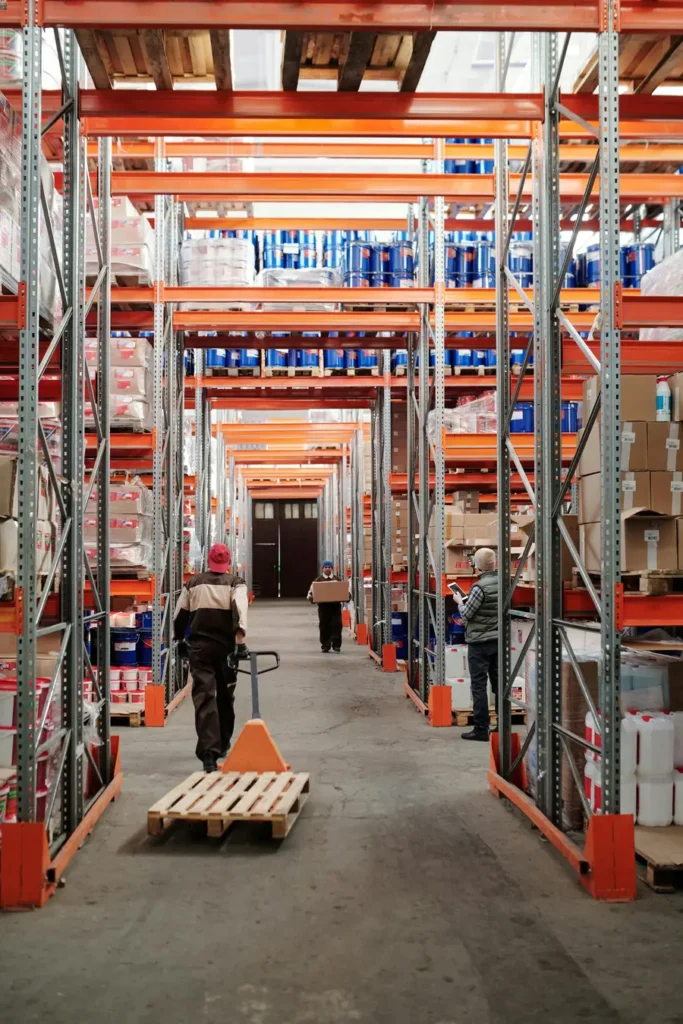
Gas springs are used in a wide range of industries to provide controlled lifting, lowering, positioning, and support for panels, hatches, lids, doors, and other movable components.
- Automotive & Transportation – Hoods, trunks, tailgates, tonneau covers, seating systems, specialty vehicles
- Marine & RV – Hatch lifts, engine covers, storage compartments, bed lifts
- Industrial & Manufacturing – Machine guards, equipment panels, access doors, toolboxes
- Office & Commercial Furniture – Adjustable chairs, cabinet doors, ergonomic fixtures
- Medical & Healthcare – Hospital beds, exam tables, mobility and support equipment
- Agriculture & Heavy Equipment – Tractor hoods, utility compartments, grain bin lids
- Construction & Utility Vehicles – Service compartments, ladder racks, truck cap supports
- Home & Consumer Products – Recliners, foldaway beds, kitchen cabinets, storage lids
- Retail & Display Fixtures – Showcase doors, access panels, point-of-sale equipment
- Food Processing & Cleanroom Environments – Stainless steel lift supports for enclosures and access hatches
Lifespan of Gas Springs
Do Gas Springs Wear Out?
Gas springs gradually lose pressure over time. Most will last between 2 to 7 years, depending on usage and environmental conditions such as temperature, moisture, or dust exposure.
You may need to service or replace your gas spring if:
- The object is difficult to lift or close
- It no longer stays open without assistance
- Movement feels jerky or uncontrolled
- You’ve added or removed weight from the supported object
These issues can be inconvenient — and even dangerous if left unaddressed.